
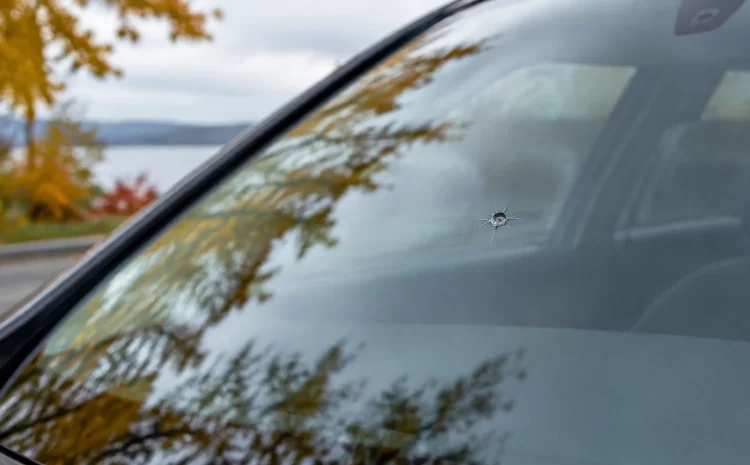
Windshield Chips in October: Why You Should Fix Them Before the First Freeze
A sharp tap on your windshield during a commute, followed by a tiny star in the glass: it’s easy to think, “I’ll deal with that later.” But October weather can make “later” a less convenient time. In Airdrie and Calgary, cold nights and milder days can put extra stress on damaged glass, and the first hard freeze is closer than it looks.
That doesn’t mean every chip will turn into a long crack overnight. It does mean a small chip is worth having assessed early. If it can be repaired, acting promptly may help you avoid a more involved replacement. And if replacement is needed, you’ll have more time to arrange it before winter visibility becomes a daily concern.
Why can an October chip spread?
A windshield is laminated glass: two layers of glass bonded around a plastic interlayer. A stone impact can leave a small break in one of those layers, even when the damage looks like little more than a dot. That weakened spot is a bit like a loose thread in fabric; a change in tension can help it unravel.
Several everyday conditions may add stress:
- Freeze-thaw changes: Temperatures can swing between cold nights and warmer daytime conditions. Glass changes size slightly as it cools and warms, and uneven changes can put pressure on a damaged area.
- Moisture in the chip: Water that gets into a break can freeze and expand. That expansion may put additional pressure on the glass.
- Defroster heat: Direct, high heat on a very cold windshield can warm one area faster than another. This uneven warming may stress an existing chip.
- Road movement: Ordinary bumps and body flex can contribute to stress around damaged glass.
These conditions don’t guarantee a crack. They help explain why a chip that looked stable yesterday might grow after a cold snap, a frosty morning, or a drive over rough pavement. If your daily commute takes you along Highway 2 or the QEII, make a quick windshield check part of your regular walk-around.
Can the chip be repaired, or does the windshield need replacing?
There isn’t one size rule that safely decides every case. A trained auto-glass technician considers the damage’s size, type, position, depth, and condition, along with any vehicle-specific requirements.
The ANSI/AGSC/NWRD laminated auto glass repair standard sets repair criteria for different damage types. For example, it lists maximum dimensions for some bullseye, combination, and star breaks. Those dimensions are not a promise that every chip under a given measurement is repairable; location, contamination, and other limitations matter too.
A chip may be a repair candidate when:
- It is relatively small and the damage is limited to the outer layer of glass.
- It is outside the driver’s primary viewing area.
- It is not close to the windshield edge.
- The break is clean enough for a technician to work on.
- It does not interfere with a camera, sensor, or other vehicle feature.
Replacement may be the safer choice when:
- A crack reaches an edge or the damage has spread substantially.
- The damage is in the driver’s primary viewing area, where a repair could affect visibility.
- The break reaches the inside layer or affects the plastic interlayer.
- Dirt or moisture has contaminated the damage, or several long cracks extend from one impact.
- The damage could affect a camera or sensor behind the windshield.
The decision is specific to your vehicle and the damage in front of you. The Auto Glass Safety Council and applicable repair standards offer guidance, but an experienced glass professional should inspect the break and explain the options. A repair can improve clarity and help stop damage from spreading, but it may leave a small visible blemish. It won’t necessarily make the glass look untouched.
Why is early attention often the lower-cost choice?
A repairable chip may be simpler to address than a crack that has travelled across the windshield. Once damage spreads, or falls in a spot that can’t be safely repaired, replacement may become necessary. Replacement can also involve vehicle-specific steps, such as checking whether a forward-facing camera needs recalibration.
That makes timing useful, but not a reason to panic. You don’t need to assume the glass will fail because you can see a chip. Instead, get the damage assessed while it is still small, and ask what the technician can and can’t guarantee.
The practical benefit is choice. An early assessment gives you a chance to understand whether a repair is suitable, what replacement would involve if it isn’t, and how soon to act.
What to do if you find a chip
A few simple steps can help you avoid adding unnecessary stress while you arrange an assessment:
- Look closely without pressing on the glass. Note where the chip is and whether any fine cracks branch from it. Don’t poke at the damage.
- Keep the area as dry and clean as practical. Avoid washing the windshield with high-pressure water aimed at the chip. If you use a small piece of clear tape to keep dirt out, place it gently over the impact point only, and never let it obstruct your view.
- Warm the windshield gradually. Clear snow and ice with a suitable scraper, and avoid pouring hot water on frozen glass. Use the defroster gently at first rather than directing maximum heat at a very cold, damaged area.
- Arrange an inspection by an auto-glass professional. Ask whether the damage is repairable, whether it is in the driver’s viewing area, and whether any cameras or sensors affect the recommendation.
- Follow the advice for your vehicle. If replacement is needed, ask about adhesive curing time and any required camera calibration before driving.
If the damage blocks your view, or a crack is spreading across the glass, treat visibility as the priority. Get professional advice promptly and avoid driving if you cannot see the road clearly.
Add visibility checks to your fall inspection
A windshield chip is only one part of seeing clearly in October and winter. Worn wiper blades can leave streaks across your view, while low washer fluid or a weak washer spray can make road grime difficult to clear. Headlights and other exterior lights matter too as daylight hours shorten.
During a fall vehicle inspection, ask for visibility-related items to be checked together:
- Windshield condition and any chips or cracks
- Wiper blade condition and operation
- Washer fluid level and spray
- Headlight and exterior-light operation
A general vehicle inspection can help identify these maintenance concerns, but windshield damage should be assessed by an auto-glass professional. The two checks work well together: one helps you understand the glass damage, and the other helps make sure the rest of your vehicle is ready for the colder season.

A small mark deserves a clear answer
A chip doesn’t automatically mean a new windshield. It does deserve a timely, qualified assessment, especially before freeze-thaw weather, regular defrosting, and winter driving become part of your routine.
If you’re preparing your vehicle for the season, Tools in Motion can help with general maintenance and inspection in Airdrie. Explore our auto repair and maintenance services in Airdrie or book a service appointment. For windshield chip repair or replacement, consult an auto-glass professional. A clear plan now can give you more peace of mind and help make your fall and winter driving worry-free.